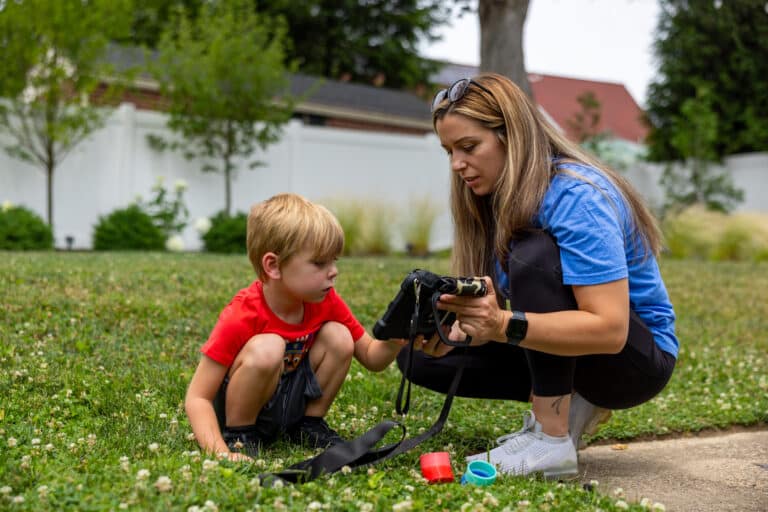
AAC for active and sensory-seeking learners works best when the device and your modeling move with the child. For learners who are always in motion or who seek sensory input, movement is a genuine need, and a communication system that travels with them keeps their voice available in every moment. This guide covers how to keep the device accessible on the move, how to model in motion, how to build sensory words into the system, and how to keep communication present during movement breaks. It pairs well with the SLP clinical resources you already lean on.
Key Takeaways
- For active and sensory-seeking learners, movement is a genuine need, and the AAC device works best when it travels with the child through the whole day.
- A rugged, dedicated device the child can carry, set down, and use on the floor keeps communication available during motion and sensory play.
- Model AAC in motion during gross-motor and sensory activities, using high-frequency words like “go,” “more,” “stop,” and “again.”
- Build sensory words into the system, such as “spin,” “squeeze,” “fast,” and “break,” so the device supports regulation as well as requests.
- Collaborate with the occupational therapist and physical therapist on positioning and access so the system fits the child’s body and the way they move.
What Do Active and Sensory-Seeking Learners Need from AAC?
Active and sensory-seeking learners need an AAC system that moves with them and a partner who models without asking them to be still first. For many of these learners, movement and sensory input are how they regulate and stay available for connection, so communication grows best inside the activities they are already drawn to.
This reflects a wider shift in the field toward neurodiversity-affirming practice. In an ASHA Leader piece on affirming neurodivergence, one SLP describes moving from asking children for “quiet hands” to playing on the floor with swinging, sliding, and a crash pad while modeling communication. A primer on neurodiversity-affirming services in ASHA’s Perspectives journal describes the same posture: accept every form of communication, support sensory needs for regulation, and presume competence.
Two starting points make the rest of this work possible:
- Presume competence. A child who is moving is still listening, learning, and communicating. These strategies for presuming competence with AAC users apply whether the child is at a table or mid-motion.
- Honor movement and stimming. Movement and stimming serve real purposes. This guide to stimming with AAC users and these neurodiversity-affirming practices pair well with everything that follows.
Why Movement and Sensory Input Support Communication
Movement and sensory input support communication because a regulated body is more available for language. When a child gets the vestibular, proprioceptive, or tactile input they are seeking, they often settle into a state where connection and communication come more easily. Movement is part of how the child gets ready to communicate.
This is where the team matters. The occupational therapist and physical therapist understand the sensory and motor picture, and together you can design supports that fit the child’s body. For more on that partnership, see how OTs and SLPs collaborate for student success.
How Do You Keep the Device With a Child Who Is Always Moving?
You keep the device with a moving child by choosing hardware built for motion and by positioning it where the child’s hands naturally land. The device has to be able to travel, get set down, and get picked back up without becoming a worry.

A few things make the hardware fit an active learner:
- A rugged, dedicated device. A device in a durable protective case, made just for communication, can move to the floor, ride along to the swing, and keep up with a full day of motion. The QuickTalker Freestyle™ speech device sits in a rugged case with a built-in handle strap for exactly this kind of day.
- Flexible positioning. Position the device where the child’s hands land during their favorite activities, and expect to move it often. ASHA’s practice portal on AAC notes that occupational and physical therapists help with positioning and access methods, so work out placement together.
- The app that fits. An app-agnostic device lets you choose the AAC app and layout that work for the child’s access, and change it as they grow.
How Do You Model AAC While a Child Is in Motion?
You model AAC in motion by using short, high-frequency words in the exact moment the child is moving. On the floor, at a swing, or in a crash pad, you touch the word as you say it, connecting language to what the child’s body is doing right then.

Words that work well in motion are the ones the child can use right away:
- Movement words: “go,” “stop,” “more,” “again,” “fast,” “slow.”
- Connection words: “look,” “you,” “my turn,” “help.”
This is aided language modeling, simply brought to where the child is. For the research behind surrounding a child with visible language, see aided language stimulation in early intervention, and for more settings to practice in, real-world places to practice AAC has ideas beyond the therapy room.
Building Sensory Words into the AAC System
Building sensory words into the system gives the child a way to tell you what their body needs. When “spin,” “squeeze,” “jump,” “loud,” “quiet,” and “break” live on the device, the child can request the input they are seeking and name how they feel. The device becomes a tool for regulation and self-advocacy, and that often deepens how much the child reaches for it.
When a child can say “more spinning” or “too loud,” you also gain a clearer read on their sensory world, which helps you and the team shape the day around what supports them. For more on drawing a child into the device through what motivates them, see fostering engagement in AAC therapy.
How Do You Keep Communication Present During Movement Breaks?
You keep communication present during movement breaks by letting the device come along on the break. A movement break is a rich communication moment, full of reasons to say “more,” “again,” “all done,” or “my turn,” so the device stays right there with the child.
Practical ways to protect communication during a break:
- Keep the device within reach on the floor, a low bench, or by its handle strap, so the child can grab their voice the instant they want it.
- Model a word or two during the break without interrupting the movement, then leave a pause and wait.
- Follow the child’s lead on when to communicate and when to just move. Both are valid, and the device being present means the choice is always the child’s.
For younger learners especially, this keeps AAC woven into the whole day. The guide to AAC and autism for young learners walks through what that can look like early on.

Common Questions About AAC for Active and Sensory-Seeking Learners
How do you support AAC use for a child who is always on the move?
Let the device move with the child. Use a rugged, dedicated device the child can carry, set down, and use on the floor, and model communication during the activities they are already drawn to. Movement is a genuine need for many learners, so the goal is to keep their voice available while they move.
Where should you position an AAC device for a child who moves a lot?
Position it where the child’s hands naturally land during their favorite activities, and adjust often. A device on the floor during floor play, propped near a movement area, or carried by its handle strap all keep it in reach. Positioning and access are best worked out together with the occupational therapist and physical therapist so the setup fits the child’s body and movement.
How do you model AAC when a child is in motion?
Model short, high-frequency words in the moment the child is moving, such as “go,” “more,” “stop,” “again,” and “fast.” You can model on the floor, at a swing, or in a crash pad, touching the word as you say it. Modeling in motion meets the child where they are and connects language to what their body is doing.
How can an AAC device support sensory regulation?
Build sensory words into the system so the child can tell you what their body needs, such as “spin,” “squeeze,” “jump,” “loud,” and “break.” When a child can request sensory input and name how they feel, the device becomes a tool for regulation and self-advocacy, as well as requesting objects.
How do movement breaks and AAC work together?
Movement breaks and AAC work together. Keep the device with the child during the break so they can request “more,” say “all done,” or comment on what they are doing. A break is a rich communication opportunity, and keeping the voice present means the child never has to choose between moving and being heard.
Bringing This Into Your Practice
When an active or sensory-seeking learner is on your caseload, start by letting the device follow them for a week: to the floor, to the swing, into every movement break. Notice where their hands land and which words they reach for in motion, and build from there with the OT and PT.
When a family is ready to explore a dedicated device that can keep up with an active day, the ableEXPERIENCE hands-on experience lets them try the QuickTalker Freestyle with their own routines, delivered in as little as two business days with no commitment required. You can also learn how to get started when the time is right. However a child moves through their day, keeping their voice with them is what makes every moment a chance to communicate.