
Happy National Speech-Language-Hearing Month! | Explore Support & Services for SLPs


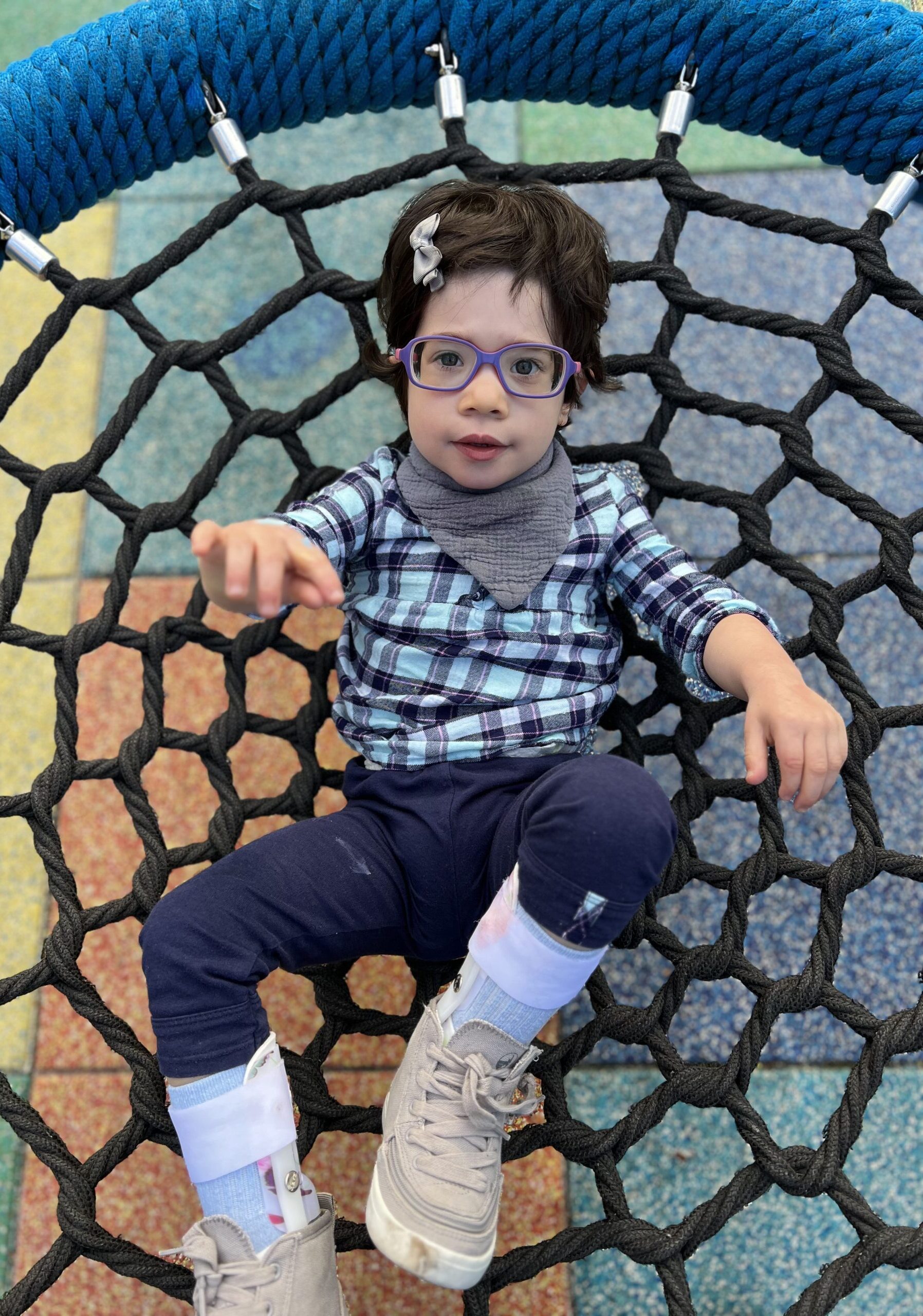
Welcome to our series, “ableFamilies in Real Life,” where we celebrate the everyday victories, challenges, and powerful moments unfolding in families using AAC.
Today, we’re honored to introduce you to Brenda—a devoted full‑time caregiver—and her six‑year‑old daughter, Renna, from Pennsylvania. Born on Leap Day, Renna expresses herself with a joyful mix of signs, sounds, expressions, and AAC. Brenda’s belief in every form of communication highlights how each child’s voice deserves to be heard and celebrated.


Meet Brenda and her six‑year‑old daughter, Renna, who was born on February 29th—a Leap Day baby with a bright spirit and a joyful presence. Renna was later diagnosed with Pitt Hopkins syndrome and communicates without spoken words, but she makes her personality known everywhere she goes. Brenda is her full‑time caregiver, and their days are filled with therapies, school, appointments, and finding creative ways to help Renna explore the world in ways that work for her.
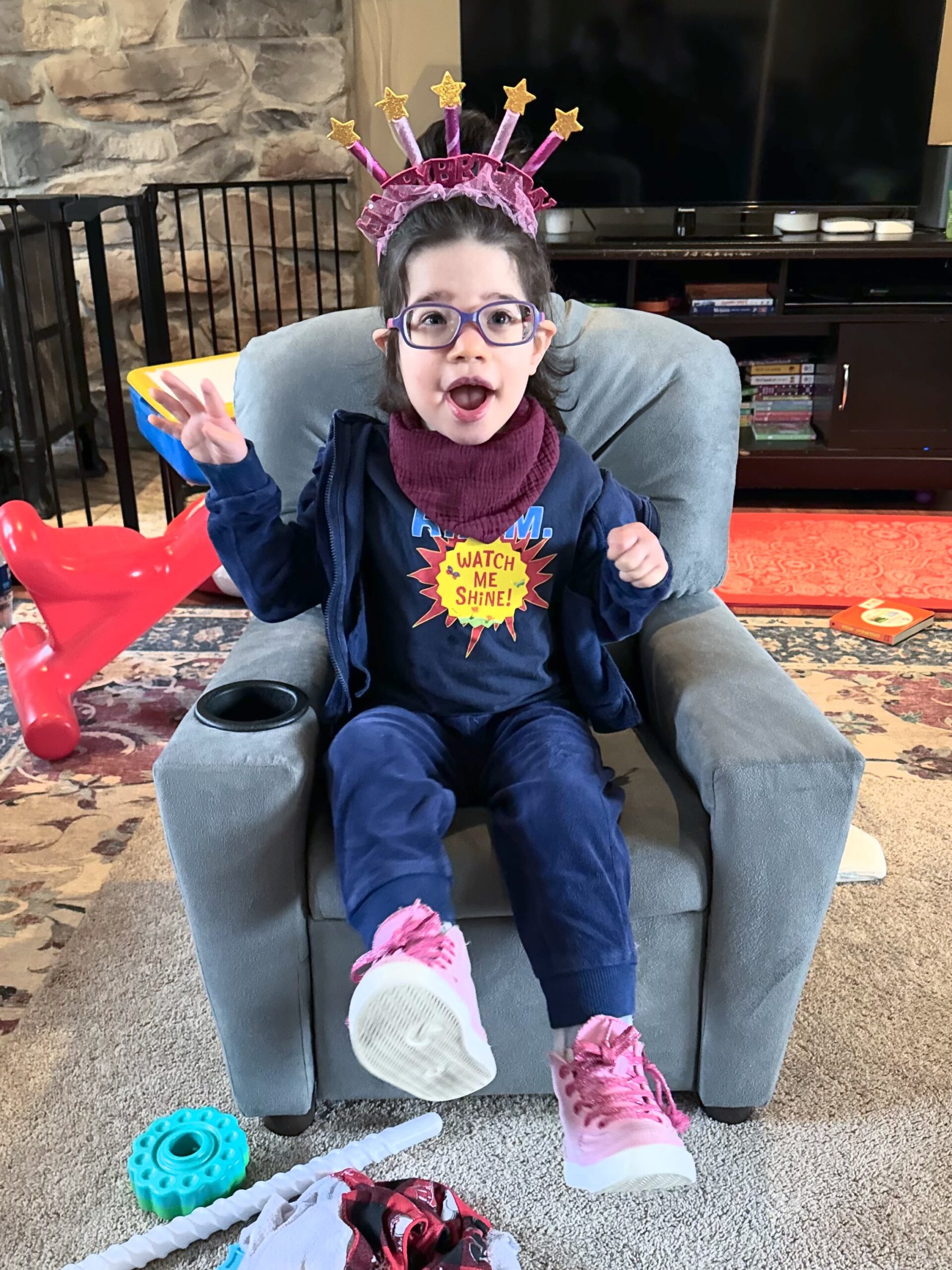
Communication in their home doesn’t look traditional, but it never stops. Renna uses signs, sounds, touch, eye contact, facial expressions, and her QuickTalker Freestyle to express herself. Brenda gives her space to communicate in whatever way works in the moment—because all communication is valid. Using her device can be challenging at times, but every intentional press is a moment to celebrate—and Brenda does just that. If Renna says “more,” she gets more. If she communicates something clearly, Brenda follows through. Renna’s voice matters, no matter how it’s expressed.
To support her, Brenda narrates their day constantly, keeps subtitles on the TV, models language on the device without pressure, and builds in intentional pauses so Renna has time to respond. She’s learned that quiet, calm environments help Renna feel more regulated and more able to engage. Her QuickTalker is kept visible at home, at school, and everywhere they go—not because Renna needs to use it every time, but because Brenda wants her to always know her words are available.
There have been challenges with fine motor accuracy, but there have also been meaningful wins. One early milestone was watching Renna intentionally activate a button—an affirmation that she understands more than others may assume. Another powerful moment has been watching kids learn alongside Renna. Sometimes they aren’t sure how to interact at first, but when Brenda helps Renna use her device to say, “Hi, my name is Renna,” and lets other kids press a few buttons, something shifts. They begin to understand. They begin to accept. Some even want to help her learn.
The QuickTalker has opened social doors in big and small ways. Renna meets new friends everywhere she goes, and Brenda hopes that as more kids grow up seeing AAC, it becomes just another normal way people communicate. The device has helped shift their focus from what Renna can’t say to what she can express—and that has changed everything.
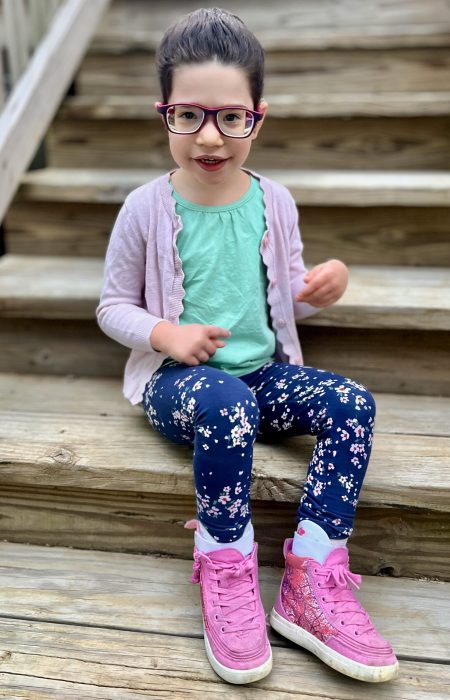
Their guiding strategies are simple but powerful: consistency, visibility, modeling without pressure, celebrating attempts, assuming competency, and making space for signs, sounds, device use, touch, and expression to coexist. Communication doesn’t need to look one way. It can be all the ways.

Stay tuned for more real-life stories from ableFamilies across the country. Want to share your family’s journey or have a question? Ask our Parent Enthusiasts or find more information and resources on our SupportHub.