
Unlocking Literacy, Language & Potential: A Spotlight on Lauren Kline
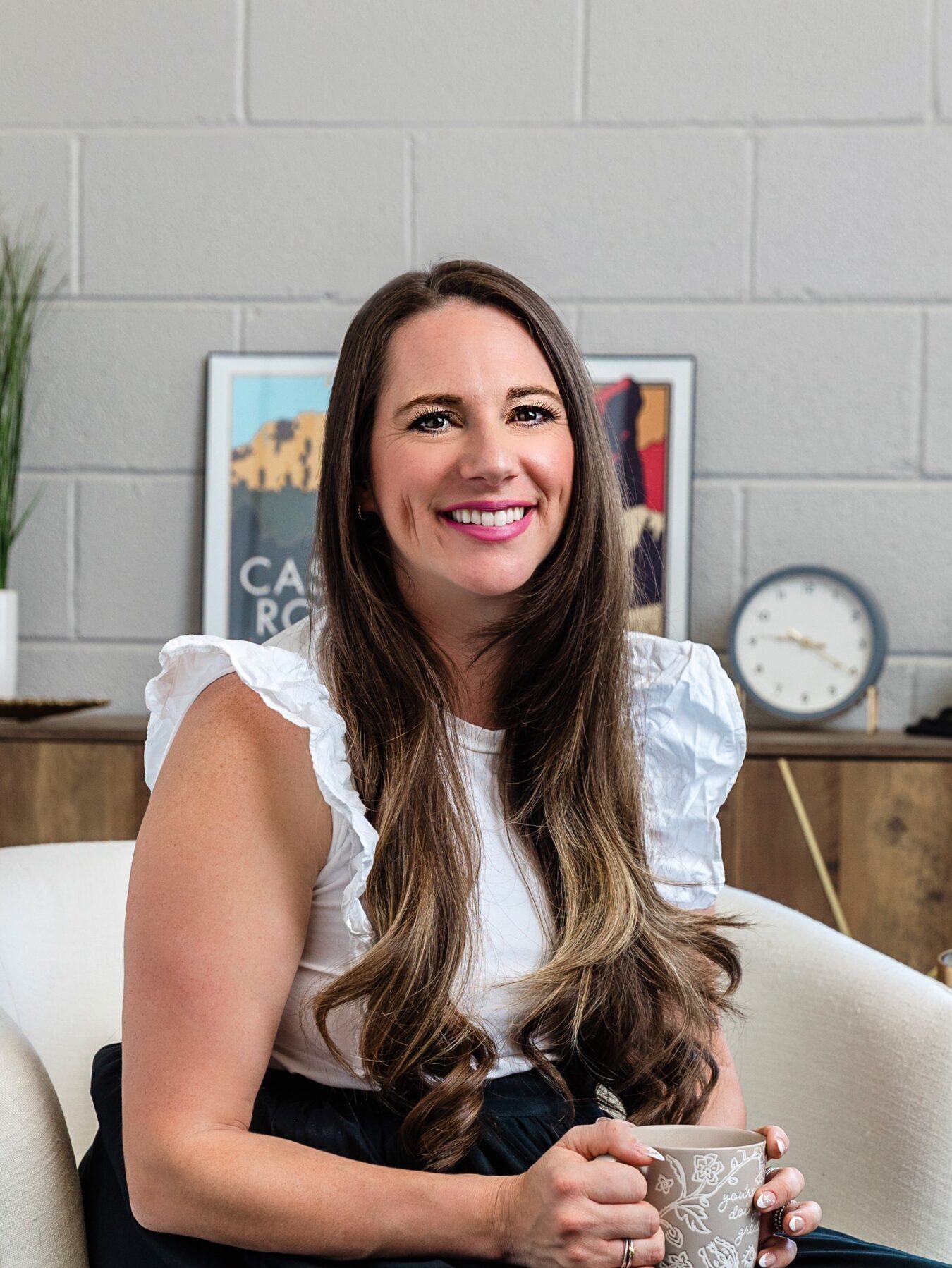
This September, in honor of Literacy Month, we’re excited to spotlight Lauren Kline, M.S., CCC-SLP, A/OGA—a speech-language pathologist and literacy specialist with a passion for empowering young readers and communicators. Lauren began her journey in speech, language, and hearing sciences at the University of Colorado and later discovered her love for literacy-based intervention while earning her graduate degree at the MGH Institute of Health Professions in Boston. From co-teaching language-based ELA classes to leading Orton-Gillingham reading tutorials, Lauren has helped bridge the gap between language and literacy for countless students. Today, Lauren runs her own private practice and serves as Chief of Staff at Bjorem Speech Publications. Whether she’s supporting fellow SLPs, spending time with her two daughters, or training for her next big race, Lauren brings dedication, insight, and heart to every step of the journey.
For SLPs who feel overwhelmed starting literacy work, what’s a good “first step” that builds confidence and promotes progress?

For SLPs just beginning their literacy journey, a great first step is understanding the pivotal role we play in literacy development. Dr. Tiffany Hogan is an incredible SLP who shares valuable insights on language and literacy (article and podcast). If you’re ready to incorporate literacy into your sessions right away, add letters to your phonemic awareness activities!
What strategies do you use to target phonological awareness or comprehension in ways that are accessible for non-speaking students or those with complex communication needs?
This is such a great question! I work with several students who have childhood apraxia of speech, where motor planning presents a challenge. One strategy I consistently use is silent reading. In a 2024 article, Chou, Sutherland, and McCabe describe input phonics—the practice of assessing and developing reading skills without requiring verbal output. For example, I might present three letters and ask the student to silently blend them, then point to a picture that matches the word. This approach allows students to demonstrate comprehension without speaking. This strategy also works well for phonemic and phonological awareness by shifting the task objective. For instance, you can show a picture with five letter tiles below it and ask the student to identify the first sound in the word by pointing to the corresponding letter. As students progress, tasks can increase in complexity—such as reading a sentence and responding by circling a picture, selecting a multiple-choice answer, or writing a short response.
In your experience, what key elements contribute to meaningful communication growth when literacy is part of the equation?
The most important element is collaboration—not working in silos. As SLPs, we bring deep expertise in communication, but so do parents, teachers, literacy specialists, and the students themselves. Valuing each person’s perspective fosters a more holistic and impactful approach—especially when early intervention and time are so critical.
What sparked your passion for literacy-based intervention in speech-language pathology?
Two things sparked my passion. First, I was introduced to literacy-based intervention early in graduate school. My first in-house client was a 4th-grade dyslexic student, and after working with her, I was hooked. Second, I’ve been fortunate to have incredible mentors throughout my career. Dr. Charles Haynes was my supervisor in school and helped me fall in love with assessing and treating dyslexia. Since then, I’ve learned so much from inspiring professionals like Kerri McDonald-Schaub, Karen Leopold, Candi Sellers, and Casey Welch. Their knowledge, time, and feedback have been invaluable.
What do you wish every SLP—especially those just starting out—understood about the relationship between language development and literacy?
I wish every SLP knew that oral language is the foundation of literacy development. Language and literacy are deeply intertwined, and as SLPs, we are uniquely equipped to support children from an early age. Research consistently shows that the more children understand about spoken language, the better prepared they are to succeed in reading and writing (Burns et al., 1999; Mehta et al., 2005; Pennington et al., 2019). Embracing our role in literacy empowers us to make a lifelong difference.